


We took our stand to Music Guangzhou 2026, and we filmed it so buyers who could not travel can still see the units in the hand.
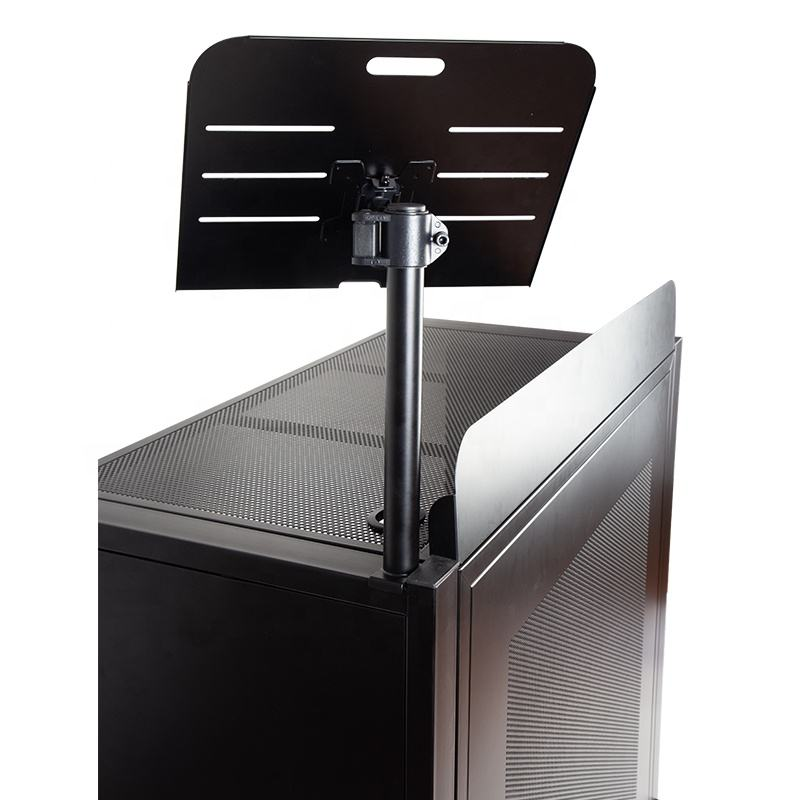
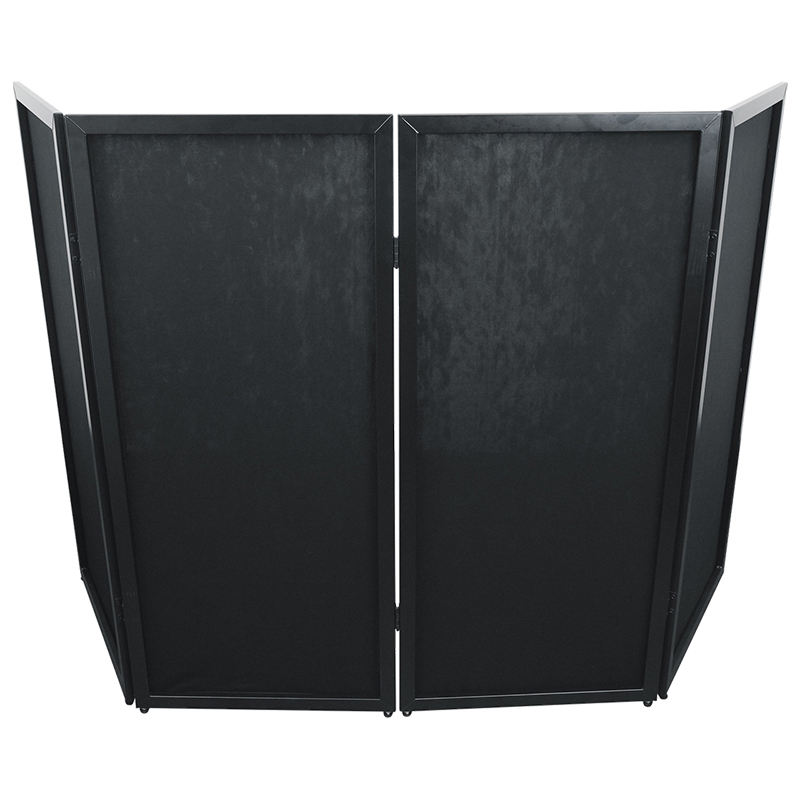
This page is the short version of the booth: what we brought, what visitors picked up first, and how you can get the same pieces without flying to the next show.
Nothing here is a press release. We kept the demo units set up for the whole show so visitors could test the fold themselves.
What we brought to Music Guangzhou 2026
The booth was set up so a visitor could handle the item instead of reading about it. Three things stayed on the tables the whole time.
- The folding DJ table, which is the item that folds into a bag and travels
- Snake cable runs with the stage box, laid out the way a rental house would use them
- The guitar and keyboard stands that share the same workshop
Cable buyers at the show wanted to handle the connector and the box, not read a spec sheet.

The pieces visitors picked up first
The Yinyu foldable dj facade table was the item most people reached for, and it’s the one we answer the most questions about afterwards.
Close behind it were Yinyu channel stage snake cable and double guitar stand. Visitors walked between them because they sit on the same table in real use, not because we put them next to each other.
You can see the spec and the photos on each product page. Event companies ask the same question at every show, which is how long the fold takes and whether one person can do it.
Dealers usually ask about packaging first, because the retail box decides the shelf price.
The pieces on the stand, side by side
A table is the fastest way to see why some pieces travel well and others don’t. The third column is the question that settles most of the back and forth before a sample ships.
| Piece you saw | Where it usually ends up | Ask about first |
|---|---|---|
| Yinyu foldable dj facade table | Mobile DJs and event companies | How long the fold takes and whether one person can do it |
| Yinyu channel stage snake cable | Rental houses and touring stages | The channel count and how the box is wired inside |
| double guitar stand | Rehearsal rooms and backline rentals | The width at the cradle and whether the neck rest is padded |
You’ll get the same numbers whether you write in January or July, because nothing about the quote depends on the show.
Watch the booth
Two minutes of the stand, filmed while the show was running. It’s the closest thing to being there.
There’s more exhibition footage on Steven Zeng, along with workshop clips for the rest of the range.
The questions we answered most often
Almost nobody asked about the price first.
Lead time matters more than a small price gap when a season is short.
Incoterms decide who owns the risk at each step, so write them down before the deposit.
A show is expensive to attend, so the questions are usually the ones a buyer cannot settle from a catalogue. We brought the DJ stand and cable lines to Music Guangzhou 2026, and we filmed the setup on the booth.
If a batch is borderline, it’s cheaper to hold it than to ship it and argue.
What a booth actually tells you about a supplier
A stand is a small sample of how a factory works.
If the units on the table are dusty, the packing spec probably gets the same treatment. If the staff can open the item and explain the joint without fetching someone, the after sales conversation usually goes the same way. We keep the packing list and the carton marks identical run to run.
So we keep a working unit on the table at every show, not a sealed one. A sample you can’t disassemble is a sample you can’t fully check.
Ordering the exact minimum on a first run leaves you nothing to sell while the second run ships.
Why we keep exhibiting
Because a buyer who has held the item asks better questions afterwards.
Dealers place a smaller first order when they’ve seen the goods, and they reorder more often. That’s the whole trade. Send a photo of the problem and we can usually answer the same day.
Selling into a shop and selling online need different packaging, so decide before the artwork.
The shows also tell us which finish sells in which market, and that information goes straight back into the quote sheet. A retail box has to survive a courier, a warehouse and a shop shelf. That’s three different tests.
What we changed after the show
A show is also an audit. Everything buyers asked for ended up in the same workbook, and three things in the workshop changed because of it.
- The packing spec for this range now states the carton size in the units a freight forwarder actually uses.
- Every unit that leaves the bench is photographed at the joint and at the connector before it is boxed.
- The quote sheet separates the sample cost from the bulk price, so nothing is hidden inside one number.
Pallet height is worth agreeing early if your customer receives on a dock.
Ask how a return is handled. A clear answer is worth more than a low price.
None of that is a marketing change. It shows up in the paperwork a buyer receives, and that paperwork is what decides whether a second order happens. If you need the finish matched to a previous order, send us the old unit.
Lead time, packing and freight for the pieces on the stand
The units on the booth were production units, so the lead time and the packing quoted against them are the real ones rather than a show sample.
- Sample: pulled from the run that will build your order, not out of a show case.
- Trial order: built against the piece you approved and inspected before it leaves.
- Bulk order: scheduled once the artwork and the carton are signed off.
- Freight: quoted DDP when you would rather not manage the forwarder yourself.
If your customer repacks, ask for a plain outer carton and keep the branding inside.
The cheapest quote usually comes from the supplier with the least experience of your market.
What decides whether a sample turns into an order
It’s rarely the sample itself. Three things decide it, and all three are settled before the first carton is built.
- Whether the piece you approved is the piece we keep on file, photographed at the joint and at the connector.
- Whether the carton and the pallet are agreed in the units your forwarder quotes on.
- Whether the finish you signed off survives a full production run, not just one piece.
None of that changes the price, and it’s the part of the order buyers forget to ask about. The finish on a painted part shows handling damage first, so look there on arrival.
We’d rather send the wrong answer once and get corrected than guess at what you need. A signed sample photo protects both sides when the second container arrives.
How to get the same units without flying out
Nothing on the booth is show-only. Every piece is in production, and most of it can ship from stock for a trial order.
- Tell us which piece you saw and the quantity you’re planning.
- We send a sample from the current production batch, not a show unit.
- You approve the finish and the packing, and we keep that piece on file.
- The bulk run is built against that reference and inspected before it leaves.
If you’d rather see the workshop, ask for a video call. Ask for the sample to come from a production batch, not from a display shelf.
How our brands fit together
LESOUND ELECTRONICS is the company behind both ranges. Yinyu covers the stands, tables and cable lines, and Audfine covers the headphones and monitors. OEM and ODM work runs across all three, and we can quote DDP if you’d rather not manage the freight.
| Brand | What it covers | Who tends to ask |
|---|---|---|
| Yinyu | Stands, DJ tables and the cable lines | Installers, rental houses and marketplace sellers |
| Audfine | Headphones, in ear monitors and studio monitors | Studio, DJ and gaming buyers |
| LESOUND ELECTRONICS | The company behind both ranges, and the OEM desk | Importers and private label brands |
What to bring to your first email
Bring the quantity, the market and the finish you’re working to, and the rest follows. If you’d rather not pin the piece down yet, a photo of it from the booth is enough for us to identify it.
- The piece you saw, or the closest photo you have of it.
- The quantity for the trial run, and the quantity you’d want once it sells.
- Whether you need our own packing or your logo on the carton.
- The port you buy into, and whether you’d rather we quoted DDP.
If you’ve only got one question, make it the one about what happens after the sample. That’s the answer that tells you whether a supplier is set up for repeat business or just for the first order.
Questions about the show and the range
Can I get the same trade terms as a visitor at the booth?
Yes. The booth price and the email price come from the same quote sheet. What changes is the volume, not where we met you.
Do you ship a single sample, or is there a minimum?
A single sample is fine, and most buyers start there. If the piece is on our ready to ship line it moves faster. We can hold a sample on file so the next run is compared against the same piece.
Will the finish match what I saw at the show?
We hold the approved piece against the production run, so the finish you approve is the finish you get. Anything that can’t be met gets flagged before the deposit, not after.
Can you film a specific product before I order?
Yes. Ask for the angle you care about and we’ll shoot it on the next production run. That’s cheaper than a return.
Which markets do you usually meet at these shows?
Importers, distributors and marketplace sellers, mostly from Europe, North America and Latin America. The questions differ by market but the sample process doesn’t.
Do you take custom work from a show contact?
Yes, and it’s often the reason a show is worth attending. Bring your logo, your packaging idea and the quantity you have in mind, and we’ll tell you what’s possible on the finish, the carton and the timeline.
Post time: Sep-21-2026