


Buyers ask whether an audio cable xlr male is still worth sourcing rather than assembling locally, and the honest answer is that it depends on which part of the cost they’re counting. The lead has been made in Asia for decades. What moved is the standard of the connector and the consistency of the screening.

So the useful question isn’t whether to source it. It’s what to ask for, so the run that lands matches the sample that sold it.
What the male end actually plugs into
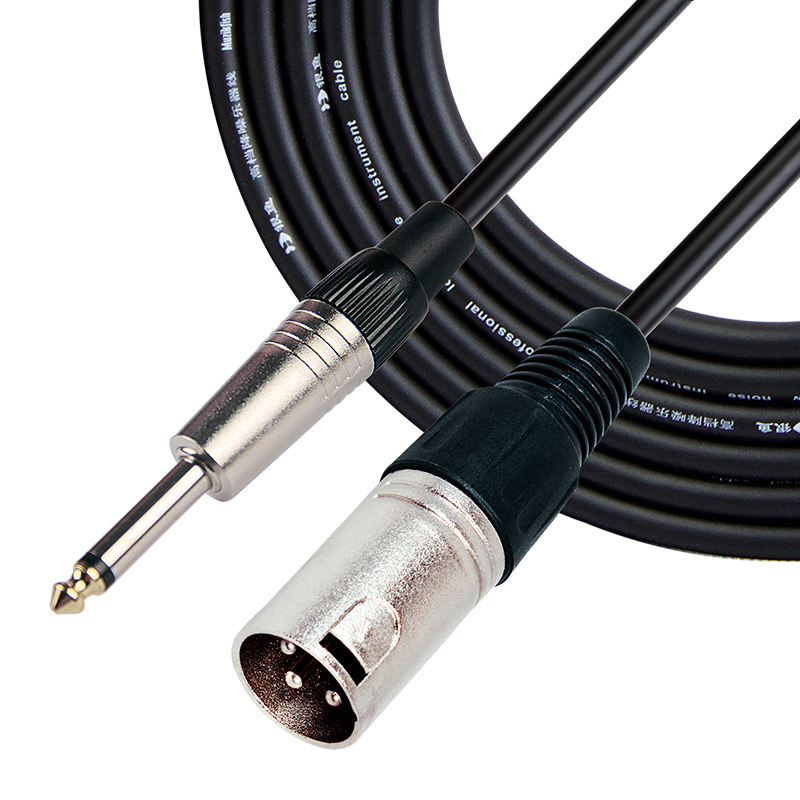
A male connector has the contacts and plugs into a female socket, which means it sits at the equipment end of a run rather than the microphone end. That single fact decides which leads a customer needs, and it’s the one buyers get wrong when they order from a list rather than a description.
Ask what the lead connects. A mic to a desk, a desk to a powered speaker, and a patch panel to an amplifier all want different combinations, and only one of them uses a male at each end.
Male to female, and the two other builds
The common build is male to female, which covers most of what a studio buys. The two others are male to male, used for patching between two sockets, and the splitter builds where one connector feeds two. Ask which of the three your market sells, because ordering the wrong one leaves you with stock that only moves in one direction.
What changed on this line
The reason to look at this again is that the connector has improved while the price pressure has stayed the same. Better plating, tighter shell tolerances and printed rather than applied labelling are all available now at a level that wasn’t standard a few years back. The cable itself changed less.
That matters because the connector is the part that fails. A run with good cable and a weak shell comes back with a complaint about the lead rather than about the shell, and the customer never buys from that line again.
Cost, and what an honest comparison looks like
Compare the landed unit cost against the local assembly cost per unit, and include the labour. A locally assembled lead saves freight and lead time and it costs money in a person’s afternoon. For a market selling singles the imported lead usually wins. For a market selling a thousand identical leads to one installer it sometimes doesn’t.
Ask the factory what the cost looks like at your volumes rather than at a sample quantity, because the gap between the two is where most of these decisions actually get made.
Moulded or assembled, and which lasts
A moulded lead is cheaper and tougher in the short term and can’t be repaired. An assembled one costs more, opens with a screwdriver, and can be fixed by the customer. Ask which the market buys, and if you’re stocking both, label them clearly so a customer chooses deliberately rather than by accident.
Sample protocol before you commit
- Ask for two leads from the same run rather than one.
- Ask for the conductor gauge and the screen in writing.
- Ask for the contact plating separately from the shell plating.
- Flex both ends and listen for a crackle that predicts a return.
- Ask who solders the connector and whether the same person builds a reorder.
Spares, and what a repair looks like
On a moulded lead there’s nothing to repair, so the honest advice is to sell it as a consumable and price it accordingly. On an assembled one the shells and inserts should be available separately. Ask the factory whether they’ll supply them, because a market that repairs needs a source that doesn’t disappear after the first order.
Packing a run that has to arrive straight
Leads that arrive kinked are leads that get returned, and the culprit is usually the carton rather than the cable. Ask how the coil is formed, whether the ends are bagged separately, and whether the carton has enough room for the coil at its natural diameter. A tight coil and a tight carton is a combination that shows up as a fault.
What ships with an xlr male lead
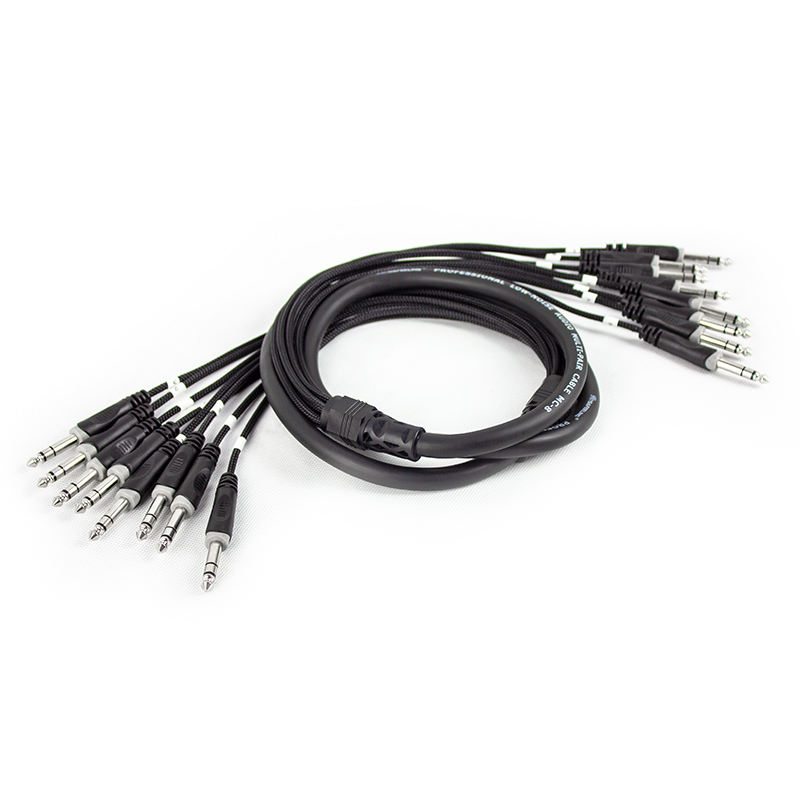
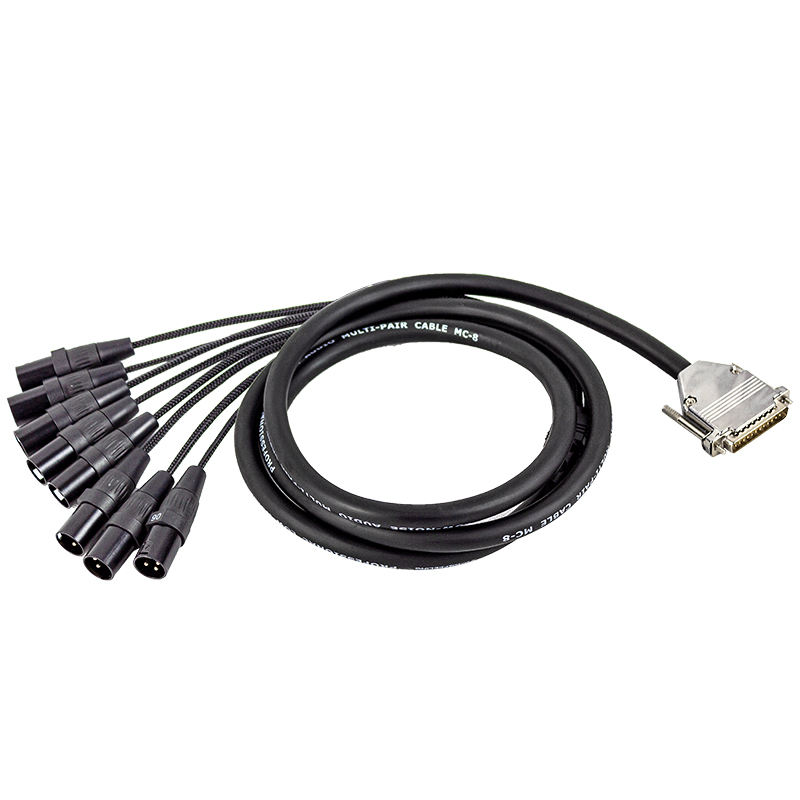
A studio that orders one of these usually orders around it. The same shipment tends to carry a Yinyu c to dual ts cable for the instrument lines, a OEM low noise audio snake cable where the lighting system needs its own data leads, and a OEM female to rca male cable for the longer runs to the desk.
The same buyer will often add Audfine headphones, because a room that’s wiring a desk is a room that’s listening to it.
Settle these four points early
Male to female, or male to male?
Ask which one your market sells. Stocking the wrong combination leaves leads that only move one way.
Moulded or assembled?
Ask which the customer expects. It decides the cost, the repair story and how you describe the product.
What’s the contact plating?
Ask about the contacts rather than the shell, since the shell is the part printed on the catalogue page.
Can the shells be resupplied later?
Ask before the order, because a repair market needs a source that outlives the first shipment.
Screening, and the number a buyer can test
Screening is easy to claim and harder to check. Ask whether the pair is twisted, what the screen coverage is, and whether the factory can show a measurement rather than a description. A supplier who can put a figure on it’s a supplier who built the cable for the job.
Where a male lead gets used
A male end goes into the equipment, so these leads sit between a desk and a powered speaker, a patch panel and an amplifier, or two sockets that both need a male. Ask which of those your market supplies, because the answer decides which of the three builds you should keep in stock.
Freight and lead time, and what they really cost
Importing moves two costs around rather than removing them. Freight and lead time go up, unit cost and labour come down. Ask the factory what the lead time looks like at your volume and whether they hold stock, because a market that sells on availability won’t wait six weeks however good the unit cost looks on paper.
Braid, foil and the coverage figure
Ask whether the screen is braid, foil or both, and ask for the coverage figure. Braid is more flexible and foil is cheaper, and a lead with a braid over a foil is the quietest of the three. A supplier who can’t state a coverage figure hasn’t measured the cable they’re selling.
The second order, and holding the build
The second order is where a supplier is really tested, because it has to match the first one. Ask how the build is held between runs, whether the same connector is used, and whether the plating can change without notice. A lead that arrives slightly different from the sample is the complaint that ends a relationship.
What a returned lead usually tells you
Ask the factory what proportion comes back and why. Most returns are one of three things: a connector soldered badly, a screen stripped too far, or a coil tight enough to kink the jacket. A supplier who tracks those three has a better line than one who only tracks the total.
Packing a mixed carton of lengths
A carton with several lengths in it needs to keep them apart, or the short ones end up loose at the bottom of the box. Ask whether each length is bagged and banded separately, and whether the carton is packed so the heaviest coil sits at the base rather than on top of the light ones.
Stocking levels, and the length that always runs out
Ask the factory which length their other buyers order most, and compare it with your own sales. The two are often different, and the length that runs out first is usually the middle of the ladder rather than either end.
What a good supplier asks you
A supplier worth keeping will ask what the lead connects, which direction it runs and whether the market repairs or replaces. If they only ask for a length and a quantity, they’re quoting a generic item and that’s what you’ll get. The questions a factory asks tell you more about the line than the answers they give.
It’s a useful test to run on any new source. Ask for their standard builds, then compare that list against what you actually sell. A supplier whose list matches your market has probably built for it before.
Where this line is going
The direction of travel is more consistency rather than more features. Buyers are asking for the same build across a whole length ladder, and they’re asking for the connector to hold up rather than for a new shape. If you’re choosing a source now, ask what they’d change in the next version, because the answer shows whether they’re following the market or following a drawing.
What the market does with a failed lead
Ask whether the customer’s buyers repair or replace, because the answer changes everything about the build. A market that repairs wants shells, inserts and a cable sold by the metre, and a market that replaces wants a low unit cost and nothing else.
Send the pairing and the length
Tell us the combination of ends you need, the length ladder your market sells, and whether the leads get repaired or thrown away. Those three lines settle the build and the packing.
Ask for a sample in the middle of your length ladder rather than at either end, because the middle is where most of your volume sits.
This line carries the Yinyu name and comes out of Ningbo Lesound Electronics in Zhejiang, with the cable, the connectors and the screening handled in one workshop.
Post time: Oct-13-2026