


For decades, the default entry point into imported pro audio gear was the full container. Fill it, ship it, warehouse it, and hope the range sells through. That model still works for established distributors with predictable demand. But a growing share of buyers — new distributors testing a market, rental houses filling gaps in an inventory, retail chains building own-label ranges, and online sellers managing cash across many SKUs — now start smaller. Small-batch wholesale for audio accessories exists precisely for that situation, and it changes how a buyer should evaluate a factory.
This guide explains what small-batch programmes look like in practice, which product families suit them, where they beat container-scale importing, and what to check before committing to either model.
Why Full Containers Became the Default
Container-scale importing grew out of simple economics. Sea freight is charged by the container, so spreading one freight charge across maximum volume reduces the landed spend per unit. Factories, in turn, reward large single runs with smoother production scheduling and lower per-unit manufacturing input. For a distributor selling a proven speaker stand or a fast-moving XLR cable in steady volumes, the logic holds up well.
The weaknesses of the model appear when any of its assumptions break:
- Demand is unproven. A first order in a new market is a hypothesis, not a forecast. Container volumes turn that hypothesis into a long-term storage commitment.
- The range is wide. A rental company or retailer may need twelve different SKUs in modest depth rather than one SKU in container depth.
- Capital is constrained. Cash tied up in slow-moving stock cannot be redeployed into marketing, staff, or a second product family.
- The assortment evolves. Connector types, colourways, and bundle configurations change seasonally. Large fixed inventories age badly.
Small-batch wholesale addresses each of these directly — provided the factory behind it is genuinely set up for short runs, rather than simply accepting them reluctantly.
What Small-Batch Wholesale Actually Means
The term covers more than “small quantities”. A workable small-batch programme has three defining characteristics:
1. Order size is negotiated by carton, not by container
Rather than a published floor on order size, the discussion starts from the product family and the destination market. Cable assemblies, microphone stands, and foldable DJ furniture all carry different carton volumes and unit economics, so a sensible programme is built per range. A distributor might combine several stand models into a mixed pallet, or take one facade model plus its scrim sets, without needing to fill a container of any single item.
2. Mixed SKUs ship together
The practical value of a small opening order comes from breadth: a balanced starter range might pair microphone stands with the cables that complete them, or match a DJ booth with the table model that shares its folding architecture. Factories that consolidate mixed cartons into one shipment let a buyer cover a whole category on a single pallet.
3. Replenishment is part of the plan
A serious small-batch supplier treats the first order as the beginning of a reorder cycle. That means production records are kept per buyer, components are standardised so repeat runs match the first delivery, and the conversation after shipment is about sell-through, not just the next invoice.
Where a Smaller Opening Order Beats a Full Container
Four buying situations consistently favour the small-batch route:
Testing a market or a category
A distributor adding an audio accessories line next to an existing catalogue does not yet know which models their customers will pull. A compact first run across, say, three microphone stand models and four cable types produces real sell-through data within a season. The second order then concentrates volume on proven SKUs — at which point container economics can be applied selectively, to the winners only.
Rental and installation businesses
Rental houses buy to fill specific gaps: one more facade for the second stage, a handful of folding tables for corporate events, spare boom arms for the studio wing. Their purchasing rhythm is continuous and granular. For this buyer group, the ability to order six units of one model and twelve of another, several times a year, matters more than squeezing the per-unit figure on a single annual container.
Own-label and bundled ranges
Retailers building an own-label range usually start narrow: one cable series, one stand series, one booth package. Small batches let them validate packaging, listings, and customer feedback before widening the label. The same applies to online sellers who assemble bundles — a stand plus a cable plus a bag — where each component needs only modest depth.
Seasonal and event-driven demand
Outdoor season, festival period, and the pre-holiday retail window all create short demand spikes. Ordering compact lots timed to each window keeps stock aligned with the calendar instead of committing a year’s volume in January.
Where Full Containers Still Win
Small batches are a tool, not a doctrine. Container-scale ordering remains the better structure when:
- One SKU sells continuously and predictably. A cable type that moves steadily every month justifies container depth, because storage risk is low and per-unit manufacturing input falls with run length.
- The product is bulky and low-value-density. For items where freight is a large share of landed spend, consolidating into full containers protects margin.
- Custom tooling is involved. A fully custom moulded part or a private-die cast component carries development input that only amortises across larger runs.
In practice, most mature buyers end up running both models side by side: containers for the two or three anchor SKUs, and small-batch replenishment for the long tail of the range. A factory that supports both without friction is worth more than one that pushes every enquiry toward a single order structure.
The Categories That Suit Mixed, Smaller-Volume Orders
Not every product family behaves the same way in small batches. Audio accessories are unusually well suited, for structural reasons:
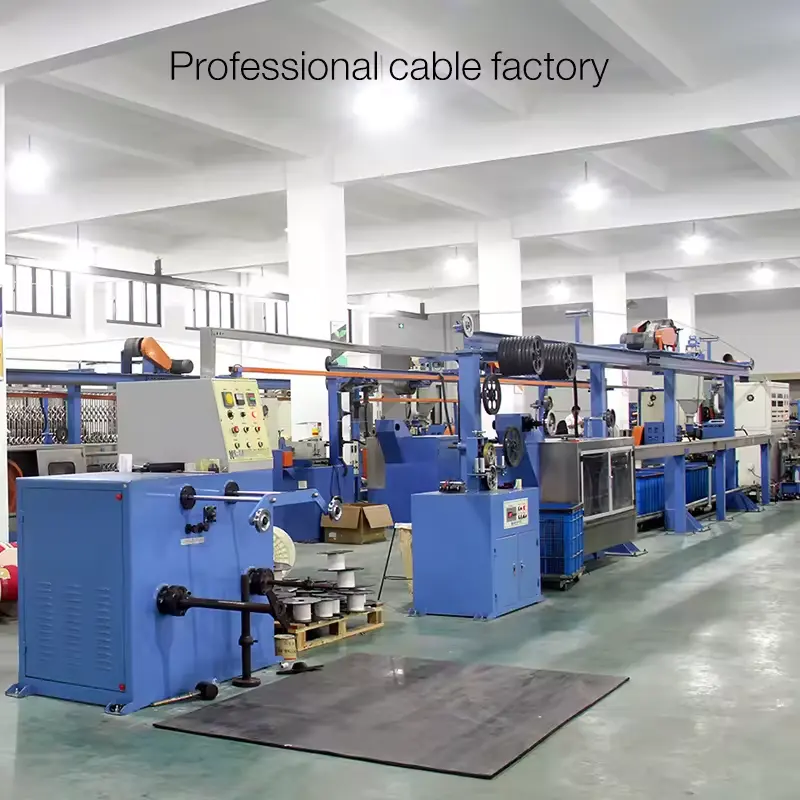
Cable assembly lines in the LESOUND factory: coiling, shielding and termination equipment that supports short runs across many cable types (factory photo).
Cables and connectors
Cable assemblies are built from shared raw materials — conductor, shield, jacket, and a common set of plugs. Changing from one assembly to another is a changeover of minutes, not days. That is why XLR leads, instrument cables, speaker runs, and snake looms can all be produced in modest depths within the same planning window. A buyer can cover an entire signal-chain assortment — from microphone cables to audio snake cables — on one compact order.
Stands
Stand families share tubing diameters, clutch components, and folding hardware across models. Because the tooling is model-specific but the components are common, factories with in-house tube processing can run short batches of a tripod base model and a boom model in sequence. Distributors use this to open with a two- or three-model stand range — for example a starter set drawn from the microphone stands programme — then widen as sell-through data arrives.
DJ furniture
Foldable DJ booths and tables are flat-packed by design, which keeps carton volume low and makes mixed pallets practical. A compact order can combine one booth, its spare scrim set, and a folding table from the DJ table family, all sharing the same folding-frame architecture. Rental buyers in particular value this, and the DJ booth range is structured so that scrims, frames, and bags are orderable as separate lines.
Headphones as a complement
For a wholesale buyer assembling a stage-and-studio assortment, compact headphone programmes can round out a mixed pallet — though headphone runs reward larger depths than cables, so they usually become the second wave of a small-batch relationship rather than the first.
How a Factory Has to Be Organised for Small Batches
Short runs expose weaknesses that container-scale production hides. A factory that handles small batches well is distinguishable by four organisational traits:
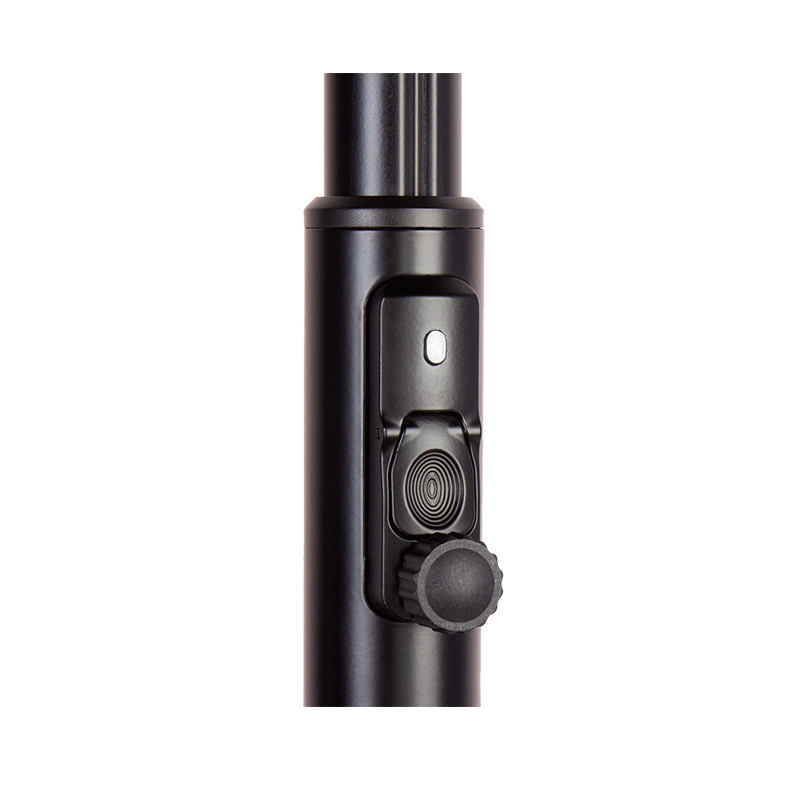
Common clutch and lock components shared across stand models: standardised parts are what make short production runs practical (factory photo).
Component standardisation
When clutch units, thread adapters, plug families, and folding hinges are common across models, a short run does not require bespoke component production. This is the single biggest technical enabler of small-batch economics, and it is visible in the parts themselves — examine a candidate supplier’s catalogue and note how many models share the same hardware architecture.
In-house tooling and processing
Cable termination, tube cutting, welding, and powder coating under one roof remove the queueing that occurs when short runs must wait for a subcontractor’s larger customer to finish. Vertical depth matters more, not less, when batches are small.
Production planning built for changeovers
Short-batch scheduling is a discipline of its own: sequencing runs to minimise changeover effort, keeping buyer-specific records so repeats match first deliveries, and reserving line time for compact orders rather than treating them as fillers between container runs.
Export handling for mixed cartons
Finally, the packing side must cope with variety — mixed cartons, consolidated pallets, accurate labelling across many SKUs, and documentation that matches a multi-line shipment. A factory that rarely ships anything but single-model containers will struggle here, and the friction shows up exactly where a small-batch buyer feels it most.
LESOUND runs its stands and cable programmes — including the cables range marketed under the Yinyu brand — on exactly this basis: shared component families, in-house processing, and planning that accommodates compact repeat orders alongside larger runs. It is also why the company’s categories page for speaker stands and its DJ furniture lines are presented as families rather than isolated models: family structure is what makes mixed-volume buying workable.
Questions to Ask Before Placing a Small-Batch Order
Before committing to either model, put these questions to a candidate supplier:
- Which component families are shared across the models I am ordering? The answer indicates how efficiently short runs can be produced and how consistent repeat orders will be.
- How are mixed-carton shipments consolidated and documented? Ask for a sample packing list from a recent multi-SKU order.
- Are production records kept per buyer? Repeat orders should match the first delivery without renegotiating specifications.
- What is the reorder process? A structured reorder path — with the specification frozen at first production — is the difference between a programme and a one-off purchase.
- Which categories genuinely suit compact orders, and which do not? A candid supplier will steer bulky, low-density lines toward consolidated shipments and keep compact programmes for cable, connector, and stand families. Suspicious uniformity in the answer is itself information.
Conclusion: Match the Order Structure to the Buying Situation
The full container is one tool among several, not a rite of passage. When demand is unproven, when the range is wide, when capital is constrained, or when the buying rhythm is continuous and granular, a small-batch wholesale programme — built on shared components, in-house processing, and mixed-SKU shipping — gets a range into the market faster and with materially less exposure. When a handful of SKUs prove out, apply container economics to exactly those lines and keep the small-batch channel for everything else.
LESOUND manufactures microphone stands, speaker and lighting stands, DJ furniture, and audio cable assemblies in Ningbo, China, and supplies them to distributors, rental companies, and own-label buyers in more than sixty countries. To discuss a starter programme sized to your market — or to request the current product families available for compact first orders — contact LESOUND and outline the categories you want to open with.
Post time: Oct-07-2026