


A dj controller and cable carry is a bag, and bags are the category where buyers assume the most and complain the loudest. The controller has a size, the cables have a shape, and the bag has to hold both without the controller arriving scratched.
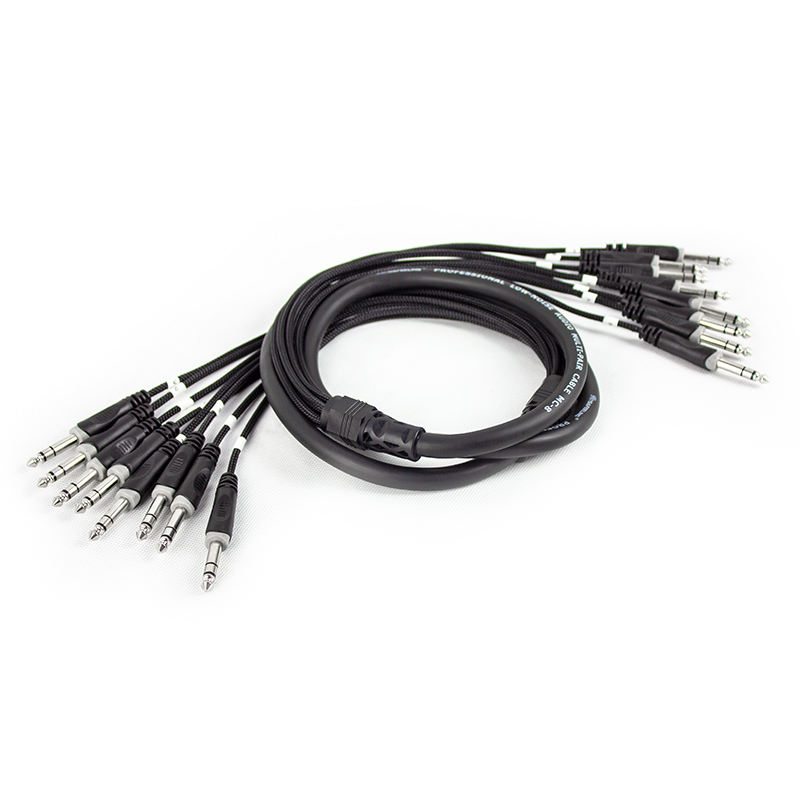
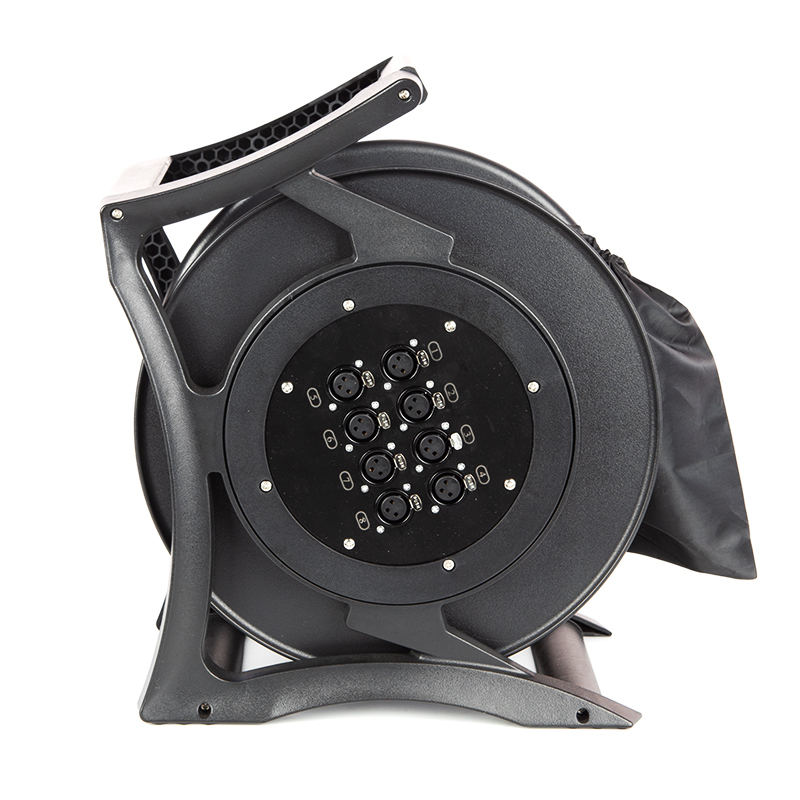
So the questions are about the inside rather than the outside, and they’re almost never on a specification sheet.
The controller, and the size it has to fit
Controllers vary more in width than buyers expect, and a bag cut for one often swallows another badly. Ask what the internal dimensions are, how much clearance there’s around the controller, and whether the same bag covers the two or three models the market sells most.
Dividers, and what separates the two halves
A bag with one big compartment lets the controller slide onto whatever else is in there. Ask whether there’s a divider, whether it’s fixed or movable, and whether it’s padded on both sides. A single layer of foam between a controller and a power supply isn’t a divider, it’s a hope.
Where the cables go
Cables need their own space, and a bag with nowhere for them puts them on top of the controller. Ask whether there’s a pocket inside or outside, whether it’s big enough for a coiled snake, and whether it opens without unpacking the main compartment.
The zip, and the one that fails
Ask what the zip is, whether the pull is metal, and whether the two sliders meet in the middle or at the end. A bag that’s opened a hundred times a year needs a zip that was chosen for that, and the zip is the first thing a customer mentions when a bag fails.
Foam, and how thick it needs to be
Ask for the foam thickness on the walls and the base. Thin foam on the sides and none on the base is a common economy, and it’s the base that takes the impact when a bag gets set down hard on a stage.
What to pack into a sample bag
- Fit the controller the market actually uses, not the smallest one.
- Add the power supply and the cables and shut the zip.
- Lift it by one handle and check the bag doesn’t fold.
- Carry it on a shoulder for ten minutes.
- Drop it from waist height onto a hard floor, with the controller inside.
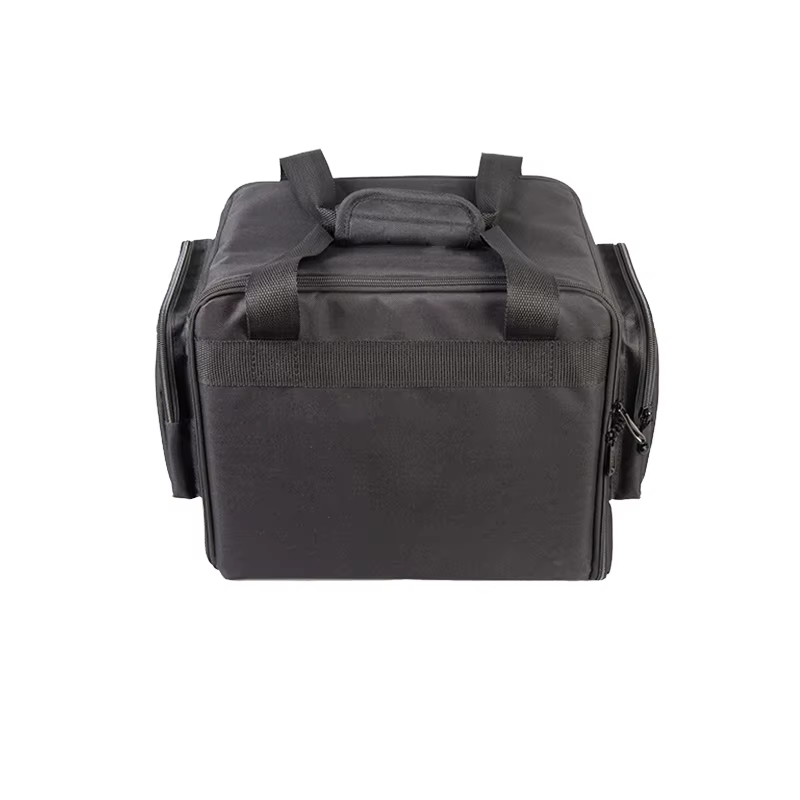
Where a carry bag actually travels
Mobile DJs, schools, hire houses and small venues all use bags, and they abuse them differently. A mobile DJ carries one every weekend, a school stores twenty in a cupboard and a hire house treats the bag as part of the rental. Ask which one your customer serves.
Straps, handles and the load
Ask how the shoulder strap is attached and how much the bag weighs loaded. A strap sewn into a single layer of fabric pulls out, and a bag that hurts after ten minutes gets carried by the zip instead, which is how zips fail.
What ships with a controller bag
A mobile DJ buying a bag usually buys the cabling to go in it. The same order often carries a Yinyu audio cable for the network side, a OEM dual xlr cable for mixer for the audio path, and a OEM dual audio cable for mixer for the short run from the controller to the mixer.
Audfine headphones go out with most of these orders, because the person buying a controller bag is the person who plays through it.

Five questions before the tooling
What are the internal dimensions?
Ask for the figure and compare it with the controllers the market sells most, not the smallest one on the shelf.
Is there a real divider?
Ask whether it’s padded on both sides and whether it moves. A divider that moves ends up at one end of the bag.
Where do the cables live?
Ask for a pocket that opens without unpacking the main compartment, because that’s how a bag stays usable.
What zip is on it?
Ask what the zip is rated for and whether the pull is metal. The zip is what a customer remembers about the bag.
What a mobile DJ does to a bag
A working DJ loads a bag into a car boot, takes it out in the rain, sets it on a stage floor and does it again a week later. Ask what the outer fabric is and whether the base is reinforced. A bag that looks the same after a year sells a second one to the same customer.
What the bag says about the brand
A bag is the most photographed thing in a DJ’s kit and the least specified, which is why it’s an easy place to win or lose a customer. Ask what the outside looks like and whether it carries the brand clearly. A bag that looks like equipment sells better than one that looks like luggage.
The handles, and the one that tears
Ask how the carry handle is attached. A handle sewn onto the outer fabric alone will tear along the seam, and a handle that’s wrapped around a webbing strap that continues down the bag won’t. It’s a small difference in construction and it decides the life of the bag.
Ask for the same webbing on the shoulder anchor as well, because the shoulder takes more load than the hand does.
Storage in a cupboard
A school stores twenty bags stacked on a shelf, and a bag that doesn’t stack wastes half the space. Ask whether the bag stands upright when it’s full and whether the outside is flat enough to sit on a shelf without rolling.
The pocket that holds the laptop
Many buyers carry a laptop in the same bag and they ask for a pocket for it. Ask whether there’s one, whether it’s padded, and whether it sits against the controller or against the outer wall. A laptop pressed against a controller through one layer of fabric is a scratch waiting to happen.
What a hire house does to a bag
A hire house tags its gear and treats the bag as part of the rental. Ask whether there’s a place to put a tag and whether the bag can be wiped down. A fabric bag that can’t be cleaned looks shabby after a season of rentals and gets pulled from the shelf.
Colour and the market that buys it
Bags sell in black in most markets and in a brighter colour for schools and for a few retail channels. Ask what the factory holds and whether a colour runs off the same material. A colour that needs a separate material order is a colour you hold as stock rather than order to demand.
Weight, and what the customer carries
Ask what the bag weighs empty and what it weighs with a controller, a laptop and a cable set inside. A bag that’s light empty and painful loaded was designed for the photograph rather than for the journey. That’s a spec worth asking for in writing.
The second half of the zip
Ask whether the bag opens from one end or from the middle, and whether there are two sliders. A bag that opens from the middle lets the customer reach the back of the compartment without taking the controller out, which is what keeps a working DJ from leaving the zip open all night.
What a reorder has to match
A customer reordering a bag expects the foam, the zip and the dimensions to be identical. Ask how the factory holds the foam density between runs, because foam is the part most likely to change quietly and the part the customer notices first.
What the customer packs first
Ask what goes into the bag first, because the order decides what gets damaged. A controller packed on top of a power supply will take the marks, and a bag with no fixed point for the controller lets the order change every night.
The outer fabric, and how it ages
Ask what the outer fabric is and how it handles a wet car park. A woven fabric wipes down and a coated one marks. Neither lasts forever, and the market that carries a bag every weekend notices the difference within a season.
Wheels, and whether they help
Ask whether the market wants a wheeled version and whether the frame would take one. Wheels help on a smooth floor and they cost the customer space on a stage, and a wheeled bag that falls over is worse than one that’s carried.
What the bag looks like when it’s empty
Ask whether the bag holds its shape when it’s empty. A bag that collapses is harder to load and harder to photograph, and a retail buyer judges the whole range on that first photograph.
What the inside looks like after a year
Ask how the lining is attached and whether it can be turned out for cleaning. A bag that can’t be cleaned looks its age after a season, and a bag that looks tired stops being used for the job it was bought for.
Whether it closes with the gear inside
Ask whether the bag closes easily with a full load or needs to be compressed. A bag that only closes when it’s half full gets left open, and a bag left open is one that the customer will replace at the next show they play.
Send the controller and the cable set
Tell us the controller model, what else has to travel in the bag, and how often it moves. Those three lines settle the dimensions, the divider and the foam.
Ask for a sample with the controller inside rather than a photograph of an empty bag, because the fit is the whole product.
Bags in this range carry the Audfine name alongside the rest of the DJ line and are produced by Ningbo Lesound Electronics in Zhejiang, where the foam, the zip and the stitching are checked on each batch.
Post time: Oct-13-2026